




Know Before You Go: Alaska Adventures
Where Will I Stay on an Alaska Adventure?
Accommodations in Alaska range from exclusive wilderness lodges to tent sites deep in the backcountry. Whether you’re wildlife watching in Katmai or exploring Denali’s trails, where you stay shapes your adventure. Options vary by destination, accessibility and travel style—from remote luxury to rustic and rugged.
Exclusive Wilderness Lodges
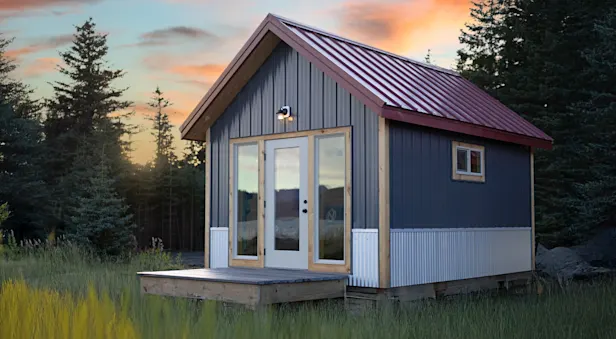
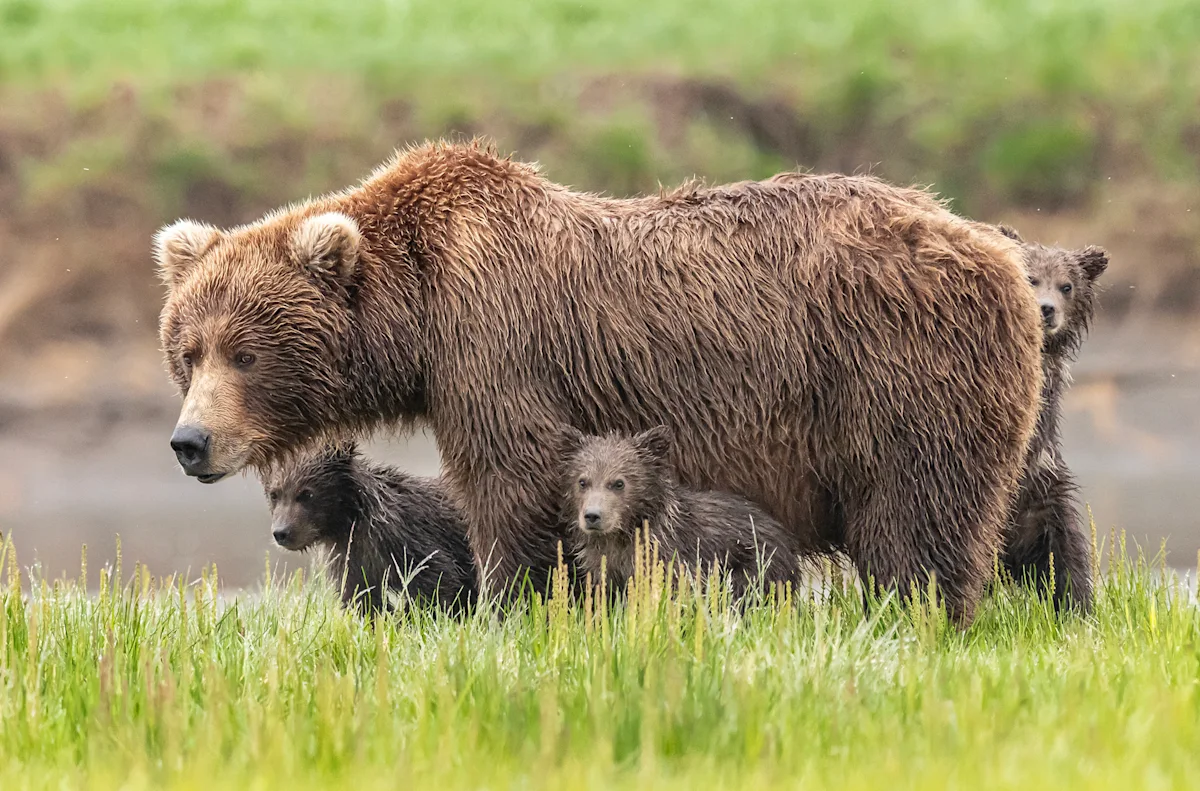
Alaska wilderness lodges offer rare access to some of the state’s most pristine and untamed landscapes. These remote all-inclusive retreats are often reached only by bush plane, placing guests in the heart of wild Alaska far from crowds, roads and modern distractions. Many are located in prime wildlife viewing areas, including Nat Hab’s Alaska Bear Camp in Lake Clark National Park.
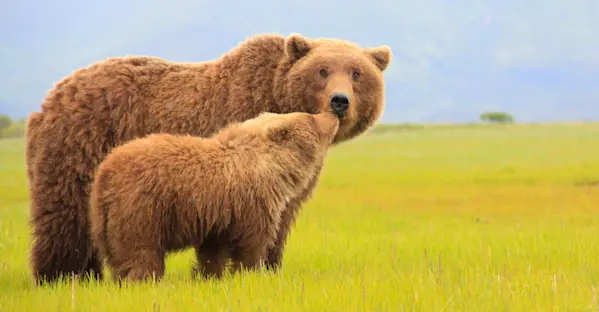
What sets Alaska’s exclusive wilderness lodges apart is their total immersion in the wild. Surrounded by tundra, glaciers or coastal meadows, they offer front-row views of brown bears, moose, whales and caribou, sometimes right outside your cabin window. With no road access, the only sounds are wind through the spruce, waves on the shoreline or loons calling across a still lake. For travelers seeking solitude, scenic beauty and a deep connection to the land, Alaska’s wilderness lodges offer an unmatched off-the-grid experience.
Alaska Wilderness Lodge Highlights:
Secluded locations far from crowds
On-site naturalist guides and wildlife tours
Gourmet meals and comfortable accommodations
These lodges cater to travelers seeking immersive Alaska nature and wildlife adventures, often with fly-in-only access and small guest numbers.
Rustic and Mid-Range Accommodations
Across gateway towns and park entrances, travelers can find simple lodges, family-run inns and mid-range hotels. These provide comfort and convenience without the cost or logistics of remote lodges. Rustic and mid-range Alaska accommodations offer easy access to parks and wildlife tours without sacrificing amenities. While they may not offer the seclusion of fly-in wilderness camps, many feature locally inspired decor, hearty meals and knowledgeable staff with deep regional roots. Rooms are typically cozy and practical, and some properties include on-site tour operators or shuttle services to nearby attractions. These stays are ideal for travelers who prefer a road-accessible base from which to explore Alaska’s landscapes. You’ll find these options in:
Denali’s park entrance area
Kenai Peninsula towns like Seward and Homer
Wrangell-St. Elias gateway communities
They’re ideal for road trips and guided Alaska wildlife tours based in more developed regions.
City Stays – Anchorage, Juneau and Fairbanks
Alaska’s cities serve as essential hubs for flights, gear rental and trip preparation. While many travelers use them for a night before or after wilderness travel, each city offers its own mix of culture, access to nature and practical convenience, including a wide range of accommodations.
Anchorage
Alaska’s largest city and the state’s primary air gateway, Anchorage is a common launch point for adventures into Denali, Katmai and Lake Clark. Set between the Chugach Mountains and Cook Inlet, it also offers access to local hiking, biking and wildlife viewing along the Tony Knowles Coastal Trail.
Juneau
The state capital and a major Inside Passage cruise port, Juneau blends dramatic scenery with cultural stops like the Alaska State Museum. A jumping-off point for Glacier Bay and Tracy Arm Fjord, it’s only accessible by boat or plane.
Fairbanks
This interior city is popular for northern lights trips, Arctic expeditions and river-based wildlife tours. Visitors can explore gold rush history, soak in nearby hot springs or venture north toward the Dalton Highway and Brooks Range.
Camping in Alaska – What to Know
Camping offers access to Alaska’s wild places with the freedom to explore on your own terms. Options include public campgrounds, private sites and backcountry camping, all requiring preparation for remote and rugged conditions.
Bear Safety and Regulations
Camping in bear country demands strict safety practices. Store scented items in bear-proof containers, keep food away from tents and use bear lockers when available. Carry bear spray and follow regulations from agencies like the National Park Service, Forest Service and Bureau of Land Management.
Frontcountry vs Backcountry
Frontcountry camping usually provides pads, fire rings, pit toilets and sometimes bear lockers, though many sites remain remote. Dispersed camping offers no services and requires minimal impact techniques. Backcountry camping typically requires permits, route planning and additional precautions for wildlife and isolation.
Leave No Trace
Follow Leave No Trace principles to protect Alaska’s wilderness. Minimize campsite impact, pack out all trash and respect wildlife habitats and waterways.
Essential Alaska Camping Gear
Four-season tent with ground tarp
Insulated sleeping bag rated to 20°F or lower
Waterproof layers, wool socks, gloves and warm hat
Bear-safe food storage (canister or locker)
Cooking stove and fuel (open fires may be prohibited)
Stay alert, camp only in designated zones and always follow bear-aware protocols to keep both people and wildlife safe.
How to Choose the Right Option for Your Alaska Wildlife Trip
Your accommodations in Alaska should match your goals, comfort level and destination. Wilderness lodges are ideal for intimate wildlife viewing with expert guidance. Mid-range hotels and inns work well for travelers using road access or Alaska Railroad routes. Camping suits the self-reliant.
Ask yourself:
Do I want expert-guided wildlife encounters?
Am I comfortable flying on a bush plane?
Am I prepared for unpredictable weather and rustic settings?
When in doubt, guided tours with included accommodations can simplify planning while enhancing your Alaska national parks experience.